Our Products
One butter, in the shape you need it
Blocks for baking, a tub for the fridge door, sticks for the barbecue and a cream cheese made with Irish milk. All of it starts with the same grass-fed cream.
The full range
Six ways to keep good butter in the house
Every product on this page begins in the same place: milk from Irish cows grazing outdoors on grass for up to 300 days a year. What changes is the format, and the format matters more than people expect. A cold block behaves quite differently from a spreadable tub, and a baker's needs are not a toast-eater's needs.
The blocks are the workhorses. High butterfat, low water content, and cold enough from the fridge to rub into flour for scones or laminate into pastry. The tub and the spreadable exist because nobody wants to tear a hole in their toast at half seven in the morning. The sticks are for cooking — a coin of garlic and herb butter melting over a steak or a baked potato does a lot of work for very little effort. And the cream cheese is there because Irish milk makes a very good one.
200g & 500g blocks, 250g tub
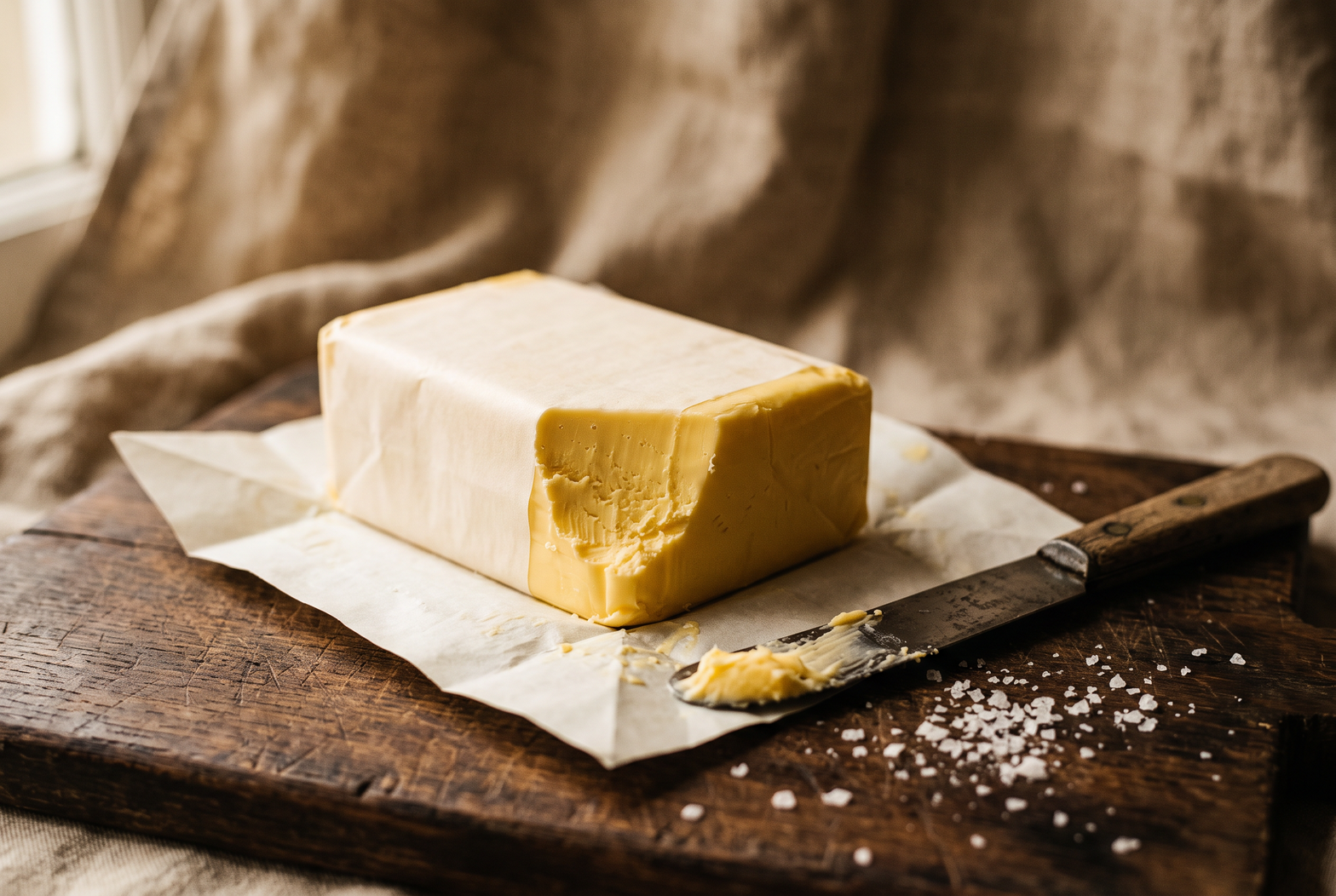
Pure Irish Salted Butter
The original. Deep gold, properly salted, and the standard every other butter in the fridge gets quietly measured against.
200g block
Pure Irish Unsalted Butter
For bakers who season their own. The same grass-fed cream, no added salt, so you control the balance in pastry, buttercream and sauces.
400g tub
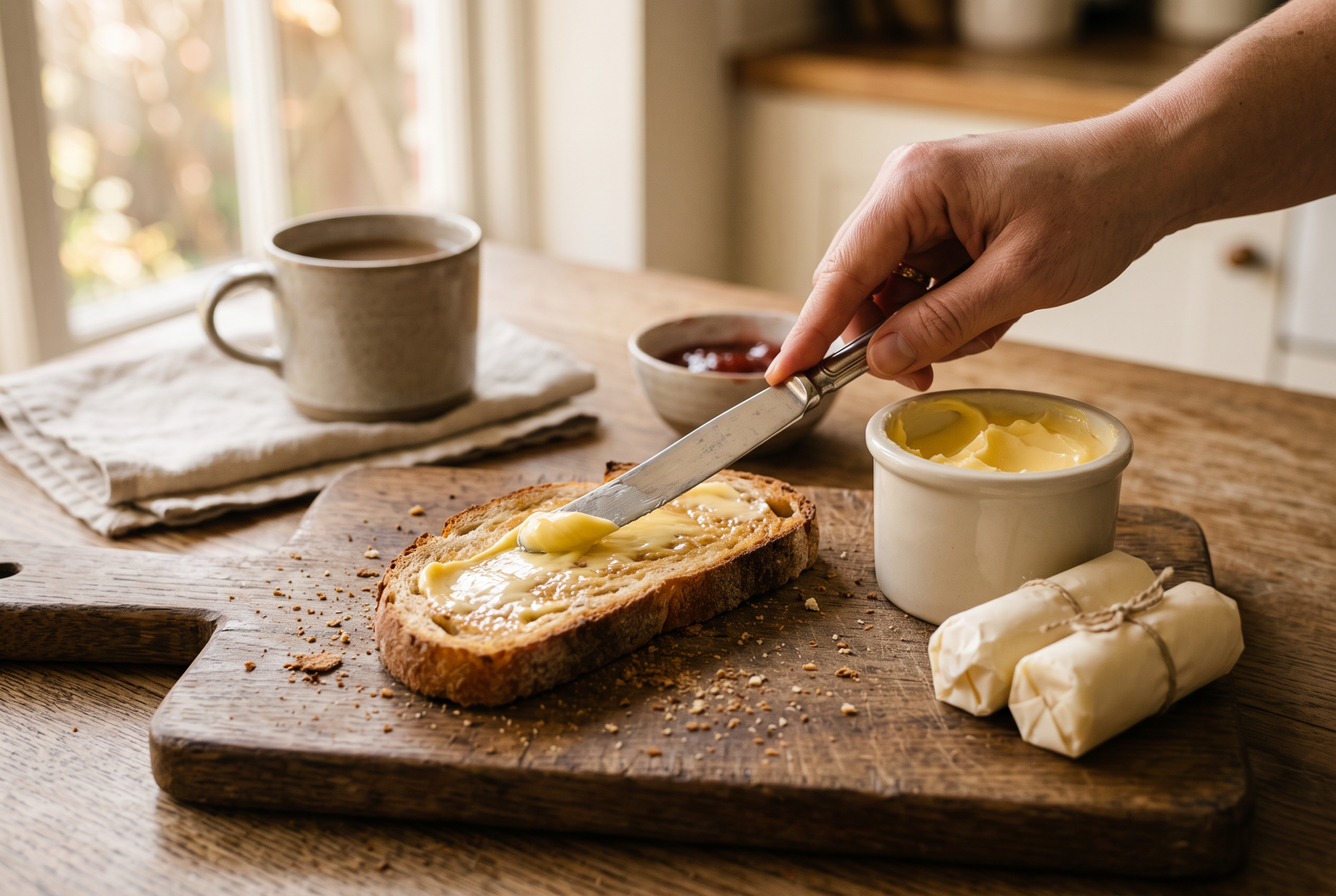
Kerrygold Spreadable
Irish butter blended with rapeseed oil so it spreads straight from the fridge. Butter taste, no torn toast, no waiting around.
200g block
Butter with Olive Oil
Just four ingredients. Irish butter and olive oil, softer in the pan and lovely on warm bread. Nothing else added at all.
100g sticks
Garlic & Herb Butter Sticks
Ready-seasoned sticks in garlic and herb, or plain salted. Slice a coin onto steak, sweetcorn or a baked potato and stand back.
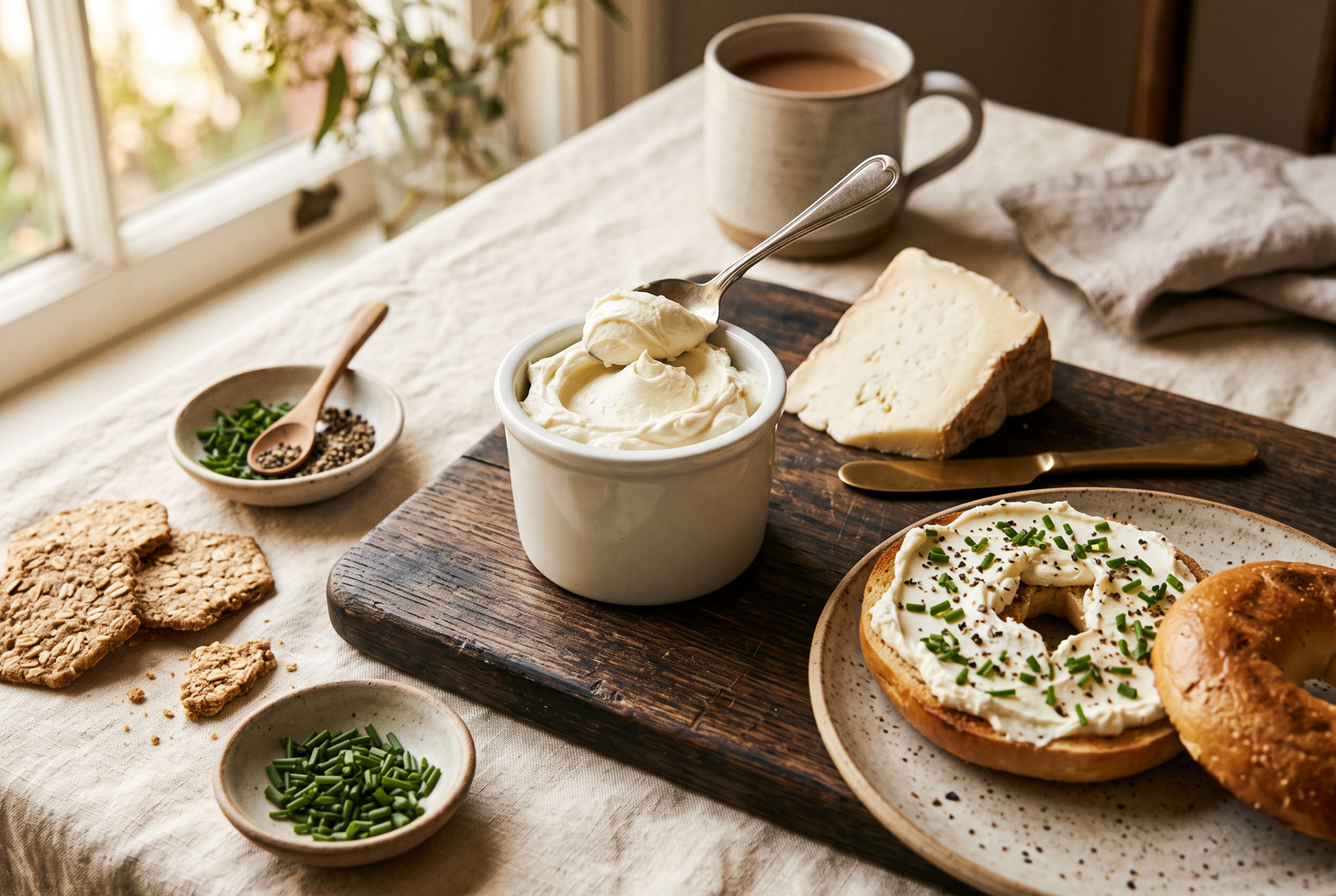
180g natural
Kerrygold Cream Cheese
Made with Irish milk and cream. Clean, mild and thick enough to hold its own on a bagel or in a proper baked cheesecake.
Take the butter out an hour before you bake
Cold fat is mute. For tasting and for creaming, let a block sit out for an hour. For scones and pastry, do the exact opposite and keep it fridge-cold.
Which butter for which job
For scones, shortcrust and puff pastry: reach for the salted or unsalted block, straight from the fridge and cut into cubes. Those solid pieces of cold fat are what release steam in a hot oven and push the layers apart. Softened butter blends into the flour and gives you cake instead.
For buttercream, custards and delicate sauces: unsalted, every time. You want to add salt deliberately at the end rather than inherit it, particularly in anything sweet.
For frying, basting and browning: any of the blocks. The high butterfat and low water content mean the butter browns to a nutty beurre noisette rather than spitting and steaming in the pan. Push a herb butter under the skin of a chicken and it bastes the breast from the inside as it roasts.
For toast, sandwiches and the fridge door: the Spreadable tub or the Butter with Olive Oil block. Both stay soft at fridge temperature, which spares your toast and your patience.
For steak, corn on the cob and jacket potatoes: the seasoned sticks. Slice a coin, drop it on while everything is still hot and let it do the rest.
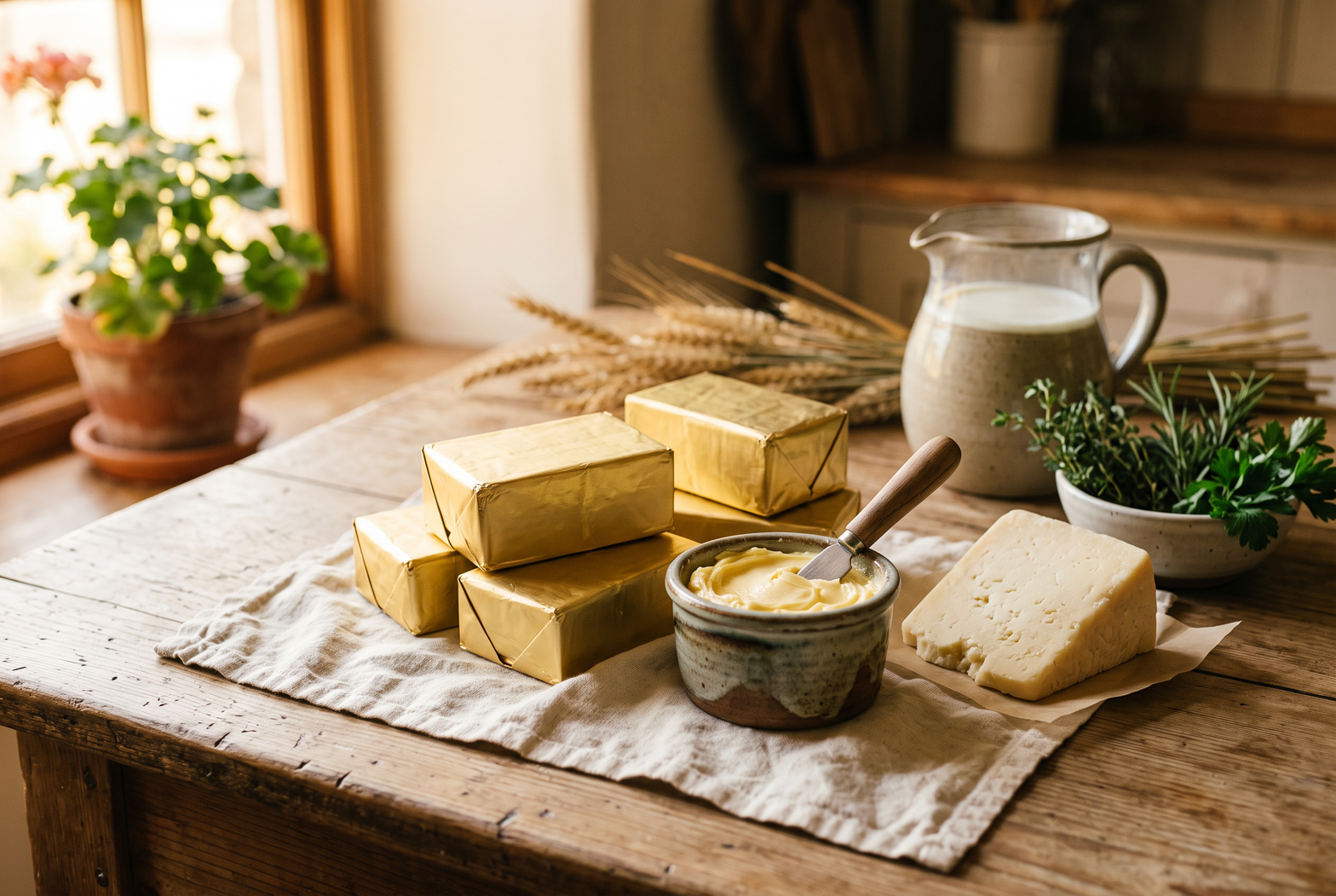
The full Kerrygold range — blocks, tubs, sticks and cream cheese.
Everything here starts in the same field
Whichever pack you pick up, the milk behind it comes from Irish family farms in a co-operative of around 14,000 members, from cows grazing outdoors for the greater part of the year.
The format changes to suit your kitchen. The cream does not change at all.