Inside the NDC & Kerrygold Quality Milk Awards
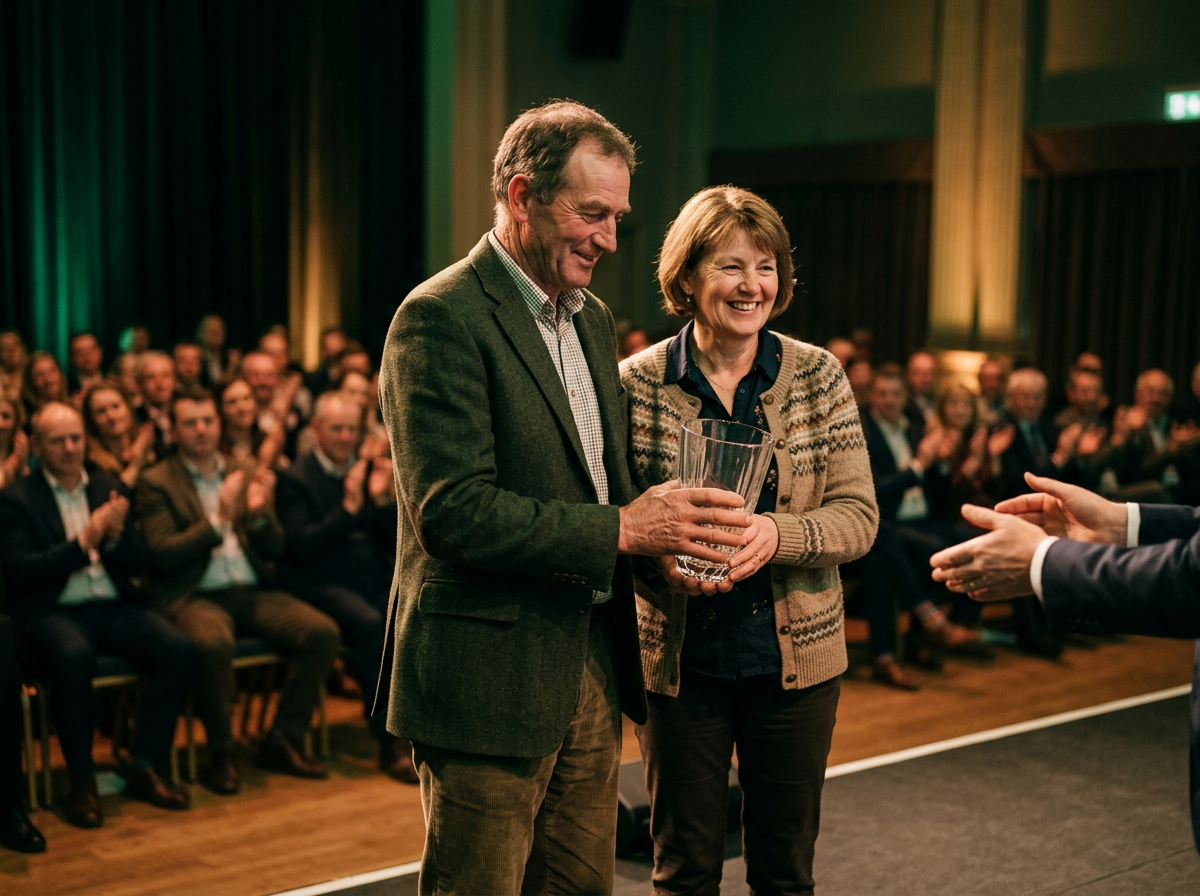
There are agricultural awards that are essentially a good dinner with a trophy at the end of it. This is not one of them. Ask any Irish dairy farmer about the NDC and Kerrygold Quality Milk Awards and you'll get the same slightly wary respect, because everybody knows what the judging involves.
What is actually being measured
The awards, run jointly by the National Dairy Council and Kerrygold, recognise excellence across the whole of a dairy operation rather than any single number. Entrants are assessed on milk quality data, animal health and welfare, grassland and grazing management, farm safety, water protection and biodiversity, and the overall standard of the milking facilities.
Crucially, the milk quality element isn't a snapshot. Judges review a full twelve months of laboratory results — somatic cell counts, total bacterial counts, thermoduric levels and antibiotic residue testing. A single excellent month counts for nothing. The awards are looking for consistency across a year of bad weather, calving, staff shortages and everything else a farm throws up.
The bit that makes people nervous
Shortlisted farms then face on-farm inspections, and the visits are not stage-managed. Judges want to see the yard on an ordinary Tuesday: the state of the cubicles, how the herd moves through the parlour, whether the calf housing is genuinely clean or has been cleaned that morning, how the roadways are maintained, where the chemicals are stored.
"You can't tidy your way to it," one previous finalist from County Cork told me. "They're reading the herd. If the cows are relaxed coming in, and their feet are right, and their coats look well — that tells the judges more than any paperwork does."
Why a butter brand runs a milk award
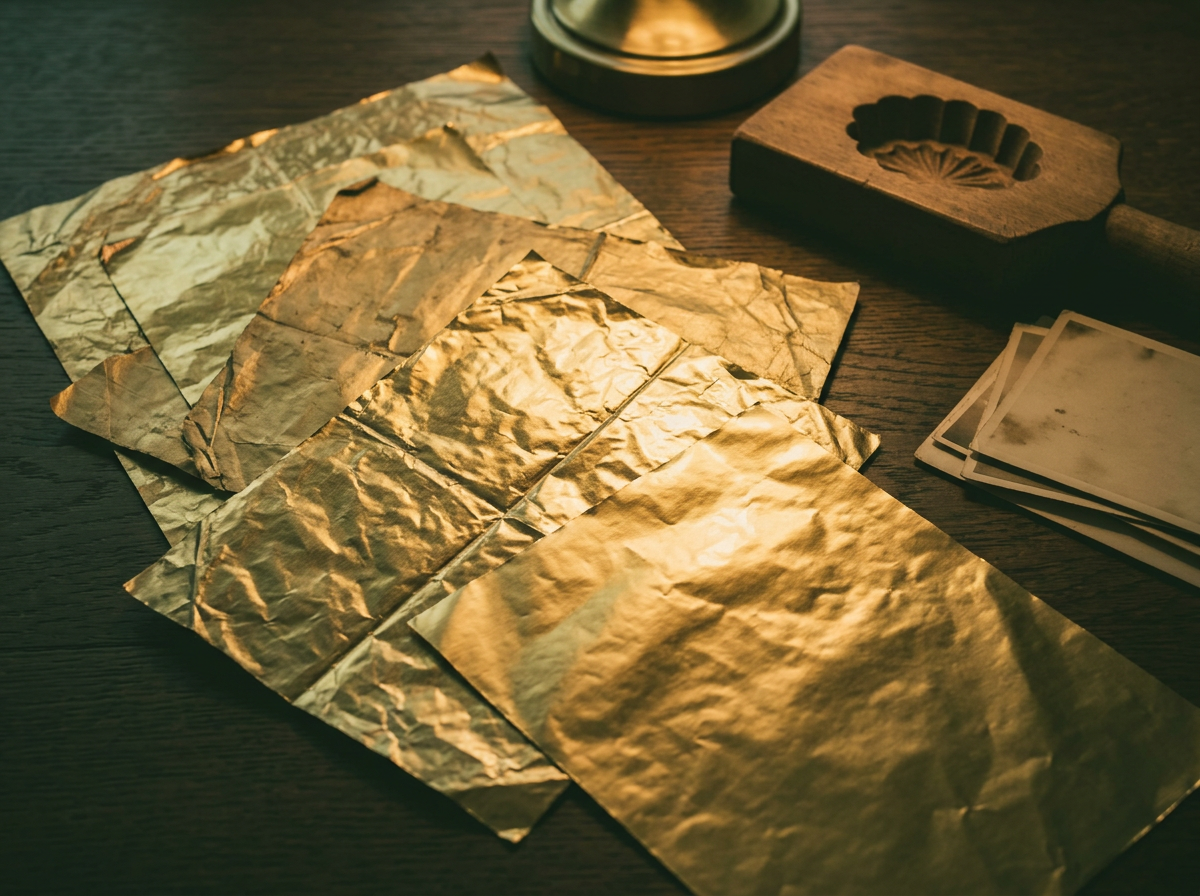
It's a fair question, and the answer is straightforwardly self-interested as well as principled. Butter is one of the least forgiving dairy products there is. There is nowhere to hide poor-quality milk in a block of butter — no sugar, no flavourings, no long ingredient list. What goes into the churn is very nearly what comes out in the foil.
Kerrygold is owned by a co-operative of around 14,000 Irish family farms. The quality of the brand and the quality of those farms are not two separate things, so an award that pushes standards upward across the whole membership is worth running properly.
The wider standard behind it
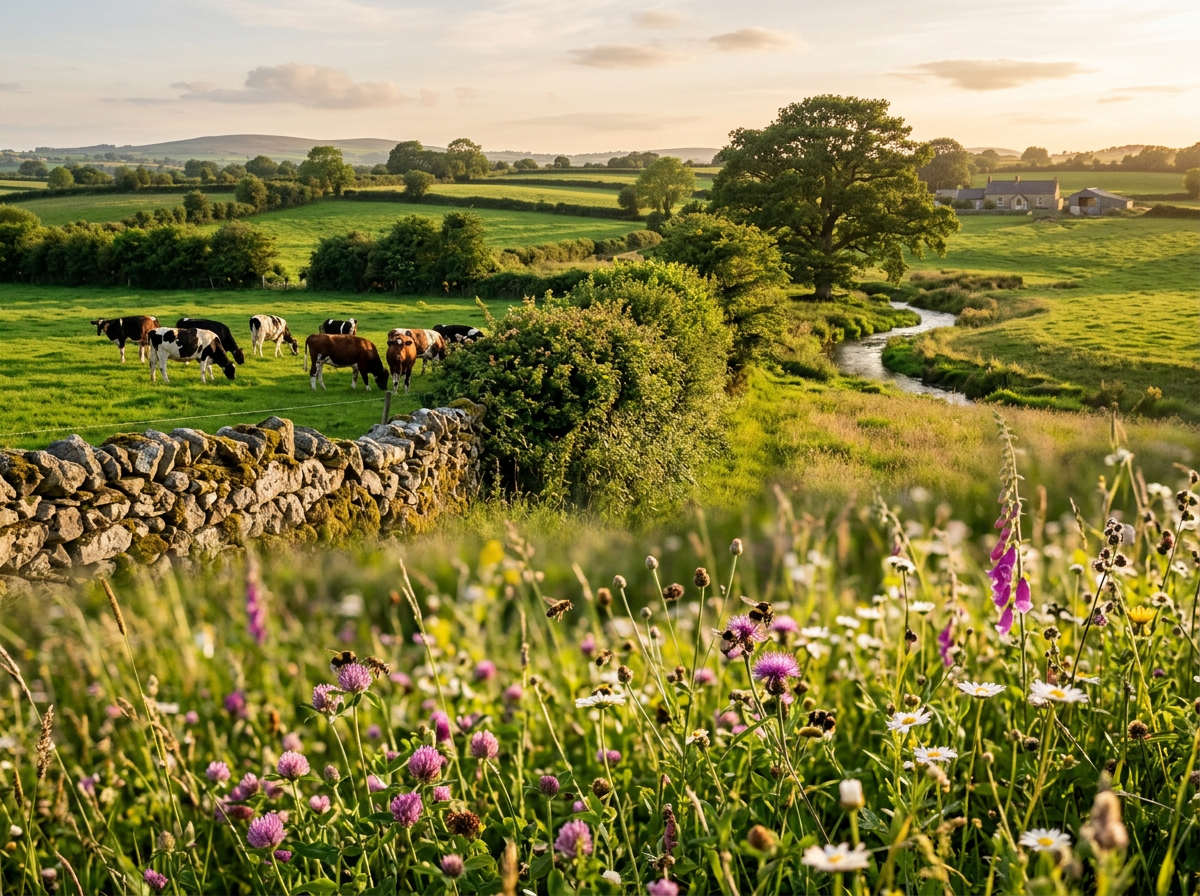
The awards sit on top of a broader framework of Irish dairy assurance. Participating farms are audited on grazing days, animal welfare protocols, responsible antibiotic use, carbon and water footprinting and biodiversity measures. Irish herds graze outdoors for up to 300 days a year, one of the highest figures in the world, and grass-based systems of that kind carry a considerably lower carbon footprint per litre than intensive indoor systems.
None of that is static. Judges have noted that the entries improving fastest in recent years are those investing in soil testing, clover incorporation to cut nitrogen use, and better slurry management — all things that were considered specialist a decade ago and are now expected.
What winners say afterwards
The pattern in the acceptance speeches is remarkably consistent. Almost nobody talks about the milk. They talk about the herd, about their parents, and about the neighbour who came over at three in the morning during a difficult calving.
That says something honest about how these farms work. They are small, generally family-run, frequently multi-generational, and they exist inside communities where reputation travels quickly. The award is valued precisely because the people judging it and the people competing for it all know exactly what it takes.
What it means for the butter dish
Very little of this is visible to somebody standing in a supermarket aisle in Manchester or Bristol. But it is the reason the block in their hand tastes the way it does. Standards set in a milking parlour in Tipperary in February show up in a scone in Yorkshire in November, and the awards are one of the mechanisms that keep the line between those two things short and accountable.
Written by
Declan Moore
Farm & Heritage Correspondent
Declan Moore has spent the better part of twenty years writing about Irish agriculture — first for a regional paper in the west, later for national farming titles, and now for Kerrygold. He has stood in more milking parlours at half five in the morning than he cares to count, and he still finds the work fascinating.
His beat is the 14,000 farming families behind the gold foil: how they manage grass, how they mind their herds, how a farm passes from one generation to the next without losing its character. He writes about heritage too — the adverts, the packaging, the small design decisions that turned a co-operative export brand into something people keep in the butter dish. Declan lives in County Clare with two dogs and an unreliable Land Rover.