From 1961 to Today: Sixty Years of the Gold Foil
A made-up name, a green sash and a decision to wrap butter in gold. How an Irish co-operative export brand became a fixture of the British butter dish.
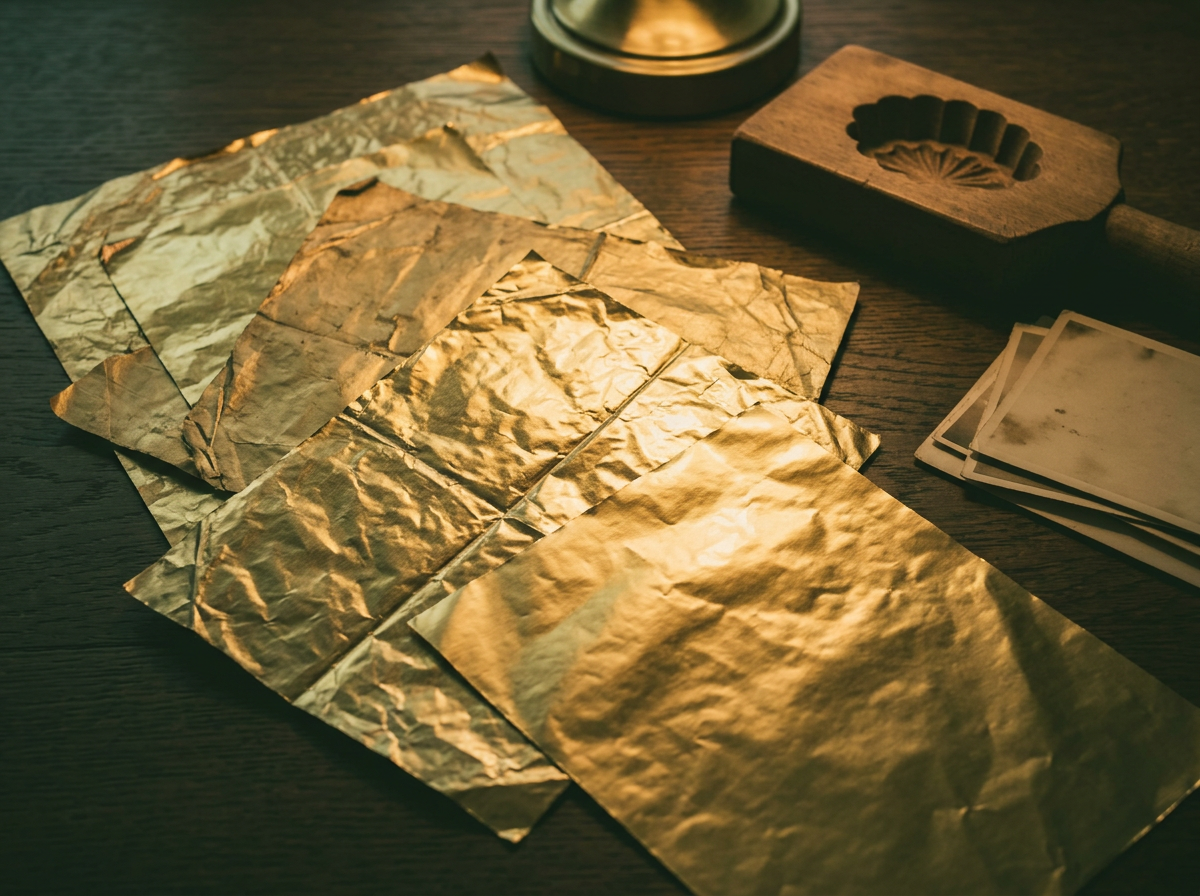
The name came before the butter, which is not how these things usually go.
In 1961 a committee sat down with the unenviable task of finding a single brand name that could carry Irish butter into export markets. Irish dairy at the time was a patchwork of small local creameries, each with its own wrapper and its own reputation, none of them meaning very much to a shopper in Birmingham. What was needed was one name that sounded unmistakably Irish, travelled well in English, and suggested quality without having to explain itself.
Various options were tried and discarded. The one that stuck joined a county to a colour. Kerrygold.
Wrapping butter in gold
The packaging decision was the braver one. In the early sixties, butter in Britain came wrapped in greaseproof paper, printed simply, and priced as a commodity. Wrapping it in gold foil was a deliberate signal that this was something else — closer to confectionery than to a staple, an ingredient you chose rather than one you defaulted to.
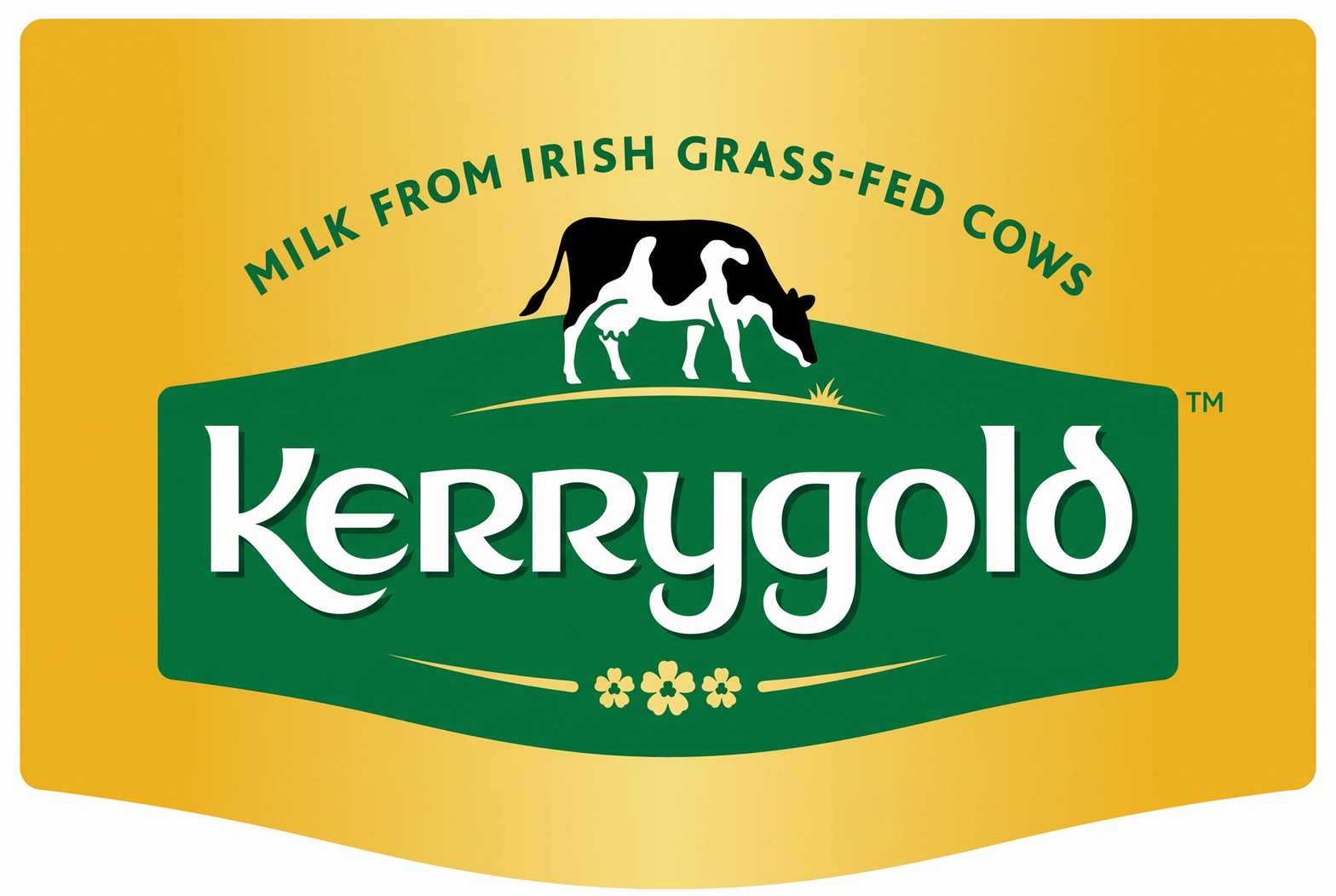
The deep green sash carried the origin story, and the gold keyline traced around it did the quiet work of suggesting care. It was, in modern terms, a premiumisation strategy executed decades before anybody used the word. It also happened to be true: the butter genuinely was richer and more golden, because the cows genuinely were out on grass.
1962: arriving in Britain
Kerrygold launched in the United Kingdom in 1962, into a market with entrenched habits and established domestic brands. The early advertising leaned hard on where the butter came from — fields, cattle, weather, the sea — and on the colour, which did a great deal of the selling on its own once the foil was opened.
Word of mouth carried it further than the media budget did. Bakers noticed it first, then home cooks. High butterfat and low water content made a measurable difference in pastry and in a hot pan, and that difference travelled between kitchens the way genuinely useful things do.
Adverts people still quote
Over six decades the advertising has shifted register several times — from straight product demonstration in the sixties, to lush pastoral cinematography, to the warmer, more domestic tone of recent years. What has stayed constant is a refusal to be clever at the expense of being appetising. Melting butter, warm bread, a knife going into a block. It works because it's honest about what the product is for.
Ask anyone over fifty in Ireland or Britain and they'll have a jingle or an image lodged somewhere. That kind of memory isn't bought. It accumulates.
What has changed, and what hasn't
Plenty has changed. The range has grown well beyond the original block — unsalted, spreadable, butter blended with olive oil, garlic and herb sticks, cream cheese. The creameries have consolidated and modernised. Sustainability reporting, carbon footprinting and independent welfare auditing are now routine parts of a farming year that once ran entirely on weather and instinct.
What hasn't changed is the underlying arrangement. Kerrygold is still owned by a co-operative of Irish family farms — around 14,000 of them. The milk still comes from cows grazing on grass for the greater part of the year. The butter is still churned from cream, salted, and wrapped in gold foil with a green sash across it.
The butter dish test
There's a reasonable argument that the truest measure of a food brand isn't market share but where it ends up in the house. Kerrygold has spent sixty years earning a place in the butter dish rather than the back of the fridge — out on the counter, in reach, used daily.
That's a modest ambition compared to most brand strategies. It's also considerably harder to achieve, and much harder to lose, and it explains why so little about the block has changed since 1962. When something works this well, the sensible thing to do is not to interfere with it.
Written by
Declan Moore
Farm & Heritage Correspondent
Declan Moore has spent the better part of twenty years writing about Irish agriculture — first for a regional paper in the west, later for national farming titles, and now for Kerrygold. He has stood in more milking parlours at half five in the morning than he cares to count, and he still finds the work fascinating.
His beat is the 14,000 farming families behind the gold foil: how they manage grass, how they mind their herds, how a farm passes from one generation to the next without losing its character. He writes about heritage too — the adverts, the packaging, the small design decisions that turned a co-operative export brand into something people keep in the butter dish. Declan lives in County Clare with two dogs and an unreliable Land Rover.