The Golden Reason: Why Grass-Fed Butter Tastes Different
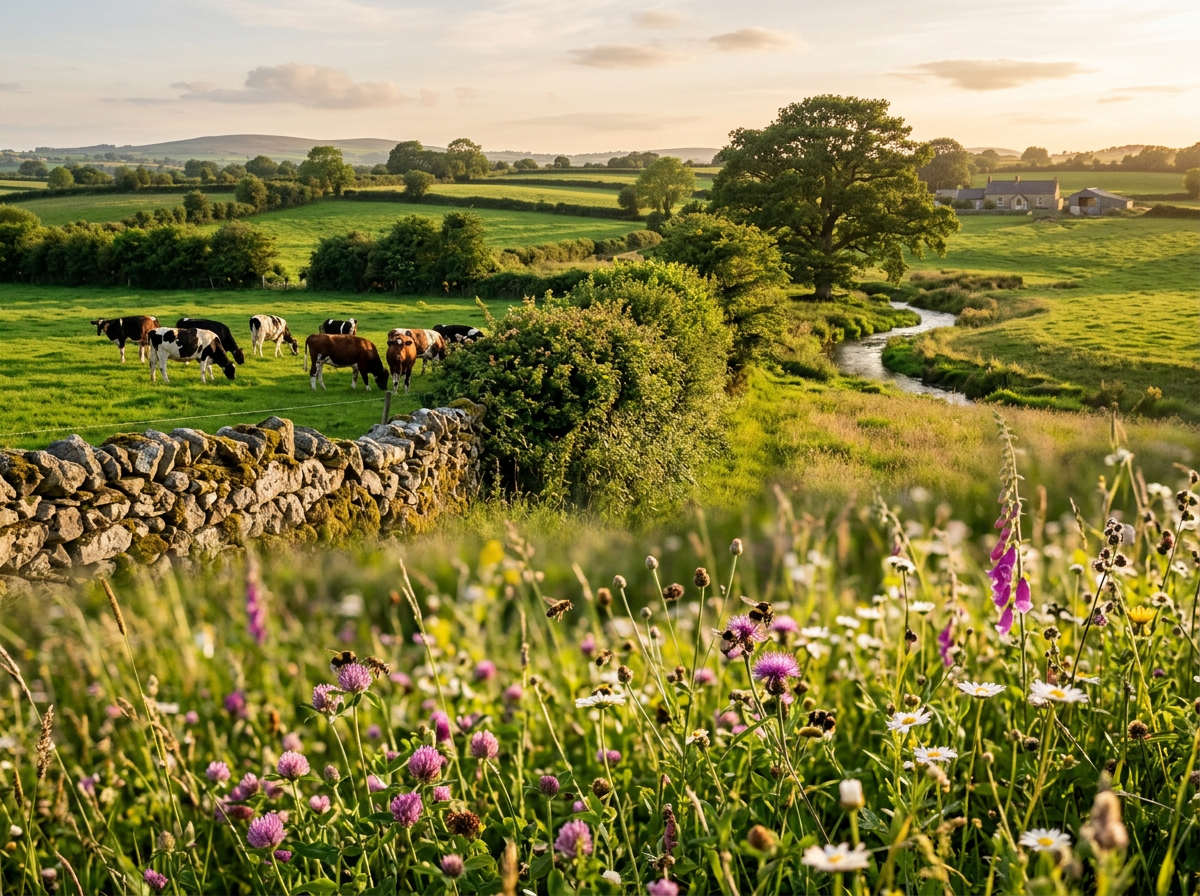
That deep gold colour isn't a dye or a trick. It comes from grass, and from cows that get to spend most of the year standing in it.
Niamh Brennan
Food Editor, Kerrygold Kitchen
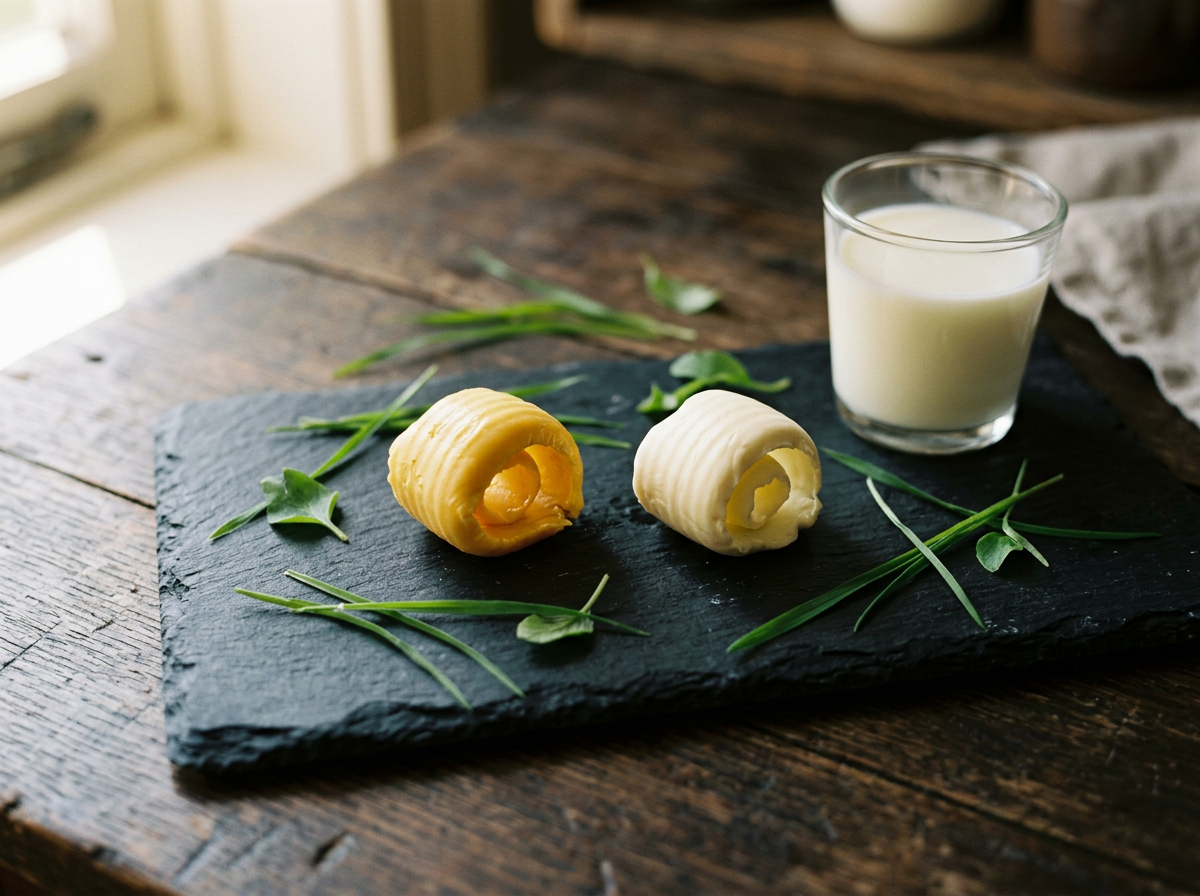
Cut into a block of Kerrygold and the first thing that greets you isn't the taste at all. It's the colour — a deep, unapologetic gold that looks, if we're honest, a little exaggerated sitting beside most other butters on the shelf. People ask us about it constantly. Is something added? Is it dyed? The answer is a plain no, and the real explanation is a good deal more interesting than food colouring.
It starts in the field, not the factory
Ireland has a quiet advantage when it comes to dairy. The Gulf Stream keeps our winters mild and our rainfall dependable, which means grass grows here for the best part of the year. Our cows graze outdoors on that grass for up to 300 days annually — considerably longer than herds in most of Europe or North America, where animals are housed for months at a stretch and fed on stored silage and grain.
That difference in diet isn't a marketing detail. It is the whole story.
What beta-carotene actually does
Fresh growing grass is rich in beta-carotene, the same natural pigment that makes carrots orange and sweet potatoes amber. When a cow grazes on living pasture, she takes in a great deal of it. Some she converts to vitamin A; the rest is fat-soluble, so it travels into her milk and settles in the butterfat.
Churn that cream and the pigment concentrates. What you end up with is butter the colour of a late-summer evening — no additives, no annatto, nothing at all except the consequence of a cow eating what cows are built to eat. Butter made from the milk of grain-fed, indoor-housed herds is paler for exactly the same reason: less grass in, less gold out.
Why the season changes the butter
Here's the part most people never notice, and it's our favourite bit. Butter is a seasonal product. Grass in April, flush with new growth after the spring rain, carries far more beta-carotene than grass in October. So the butter churned in late spring and early summer runs a shade deeper and tastes a touch sweeter and grassier than butter from the shoulders of the year.
We don't correct for that. A great many manufacturers do — they standardise colour so every block looks identical in January and July. We take the view that a small seasonal swing is a sign of a real product from a real field, not a fault to be engineered out. If you keep Kerrygold in the house all year round, look out for it. It's there.
What it means in the pan
Colour is the visible clue, but the flavour difference is where it earns its place in your cooking. Grass-fed milk carries a different fatty acid profile — more conjugated linoleic acid, more omega-3, and a butterfat that behaves beautifully under heat. Kerrygold sits at a high butterfat content, which means less water in the block.
Less water matters more than you'd think. In pastry, it means flakier layers and less sogginess. In a hot skillet, it means the butter browns rather than spits and steams, so you get nutty beurre noisette instead of a watery mess. On a scone, straight from the oven, it means the butter melts into the crumb rather than sitting on top of it.
How to taste the difference at home
Do this properly, the way we do it in the Kerrygold Kitchen. Take your butter out of the fridge a full hour before you plan to taste it — cold fat is mute, and you'll learn nothing from it. Cut a thin sliver of Kerrygold Pure Irish Salted Butter and a sliver of a supermarket own-brand block. Put them side by side on a white plate so you can see the colour honestly.
Taste the pale one first. Then ours. What you should notice is a longer finish, a cleaner dairy sweetness underneath the salt, and something faintly green and hay-like at the back of it. That last note is the pasture. It's the field, arriving in your kitchen by way of a cow, a churn and a sheet of gold foil.
Sixty years on from our arrival in Britain in 1962, that's still the only trick we have. Good grass, cows out on it, and as little interference as we can manage.
Written by
Niamh Brennan
Food Editor, Kerrygold Kitchen
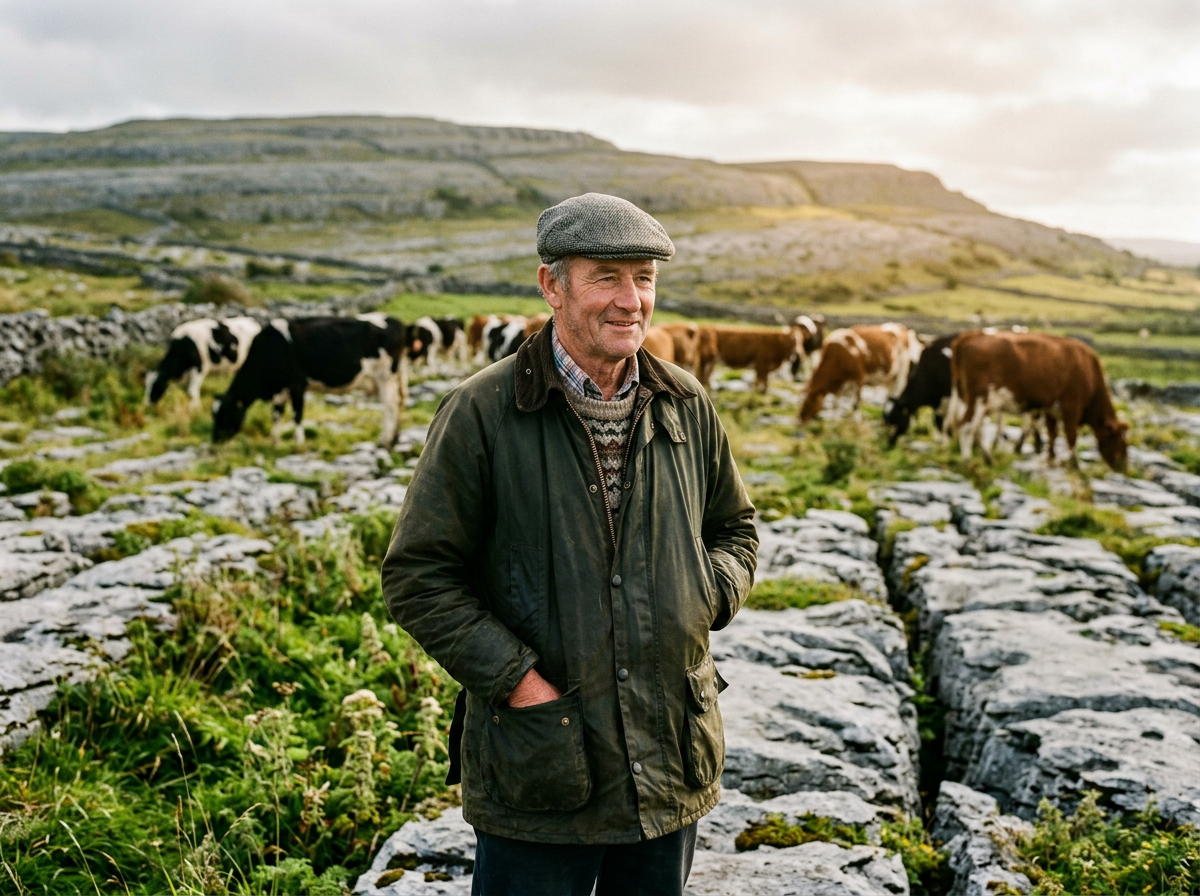
Niamh Brennan grew up on a small dairy farm outside Nenagh, County Tipperary, where the day started with milking and ended with a loaf of soda bread on the range. She trained as a chef in Dublin, spent six years in restaurant kitchens in Cork and London, and now leads the Kerrygold Kitchen — the small test kitchen where every recipe we publish is cooked, tasted, argued over and cooked again.
Niamh writes about butter the way other people write about wine: seasonally, and with a great deal of feeling. She is happiest developing scone recipes, visiting the farming families who supply our co-operative, and reminding anyone who will listen that good baking begins with good butter at the right temperature.